Tenants Win £41,000 At Wroughton Road, Battersea
Introduction
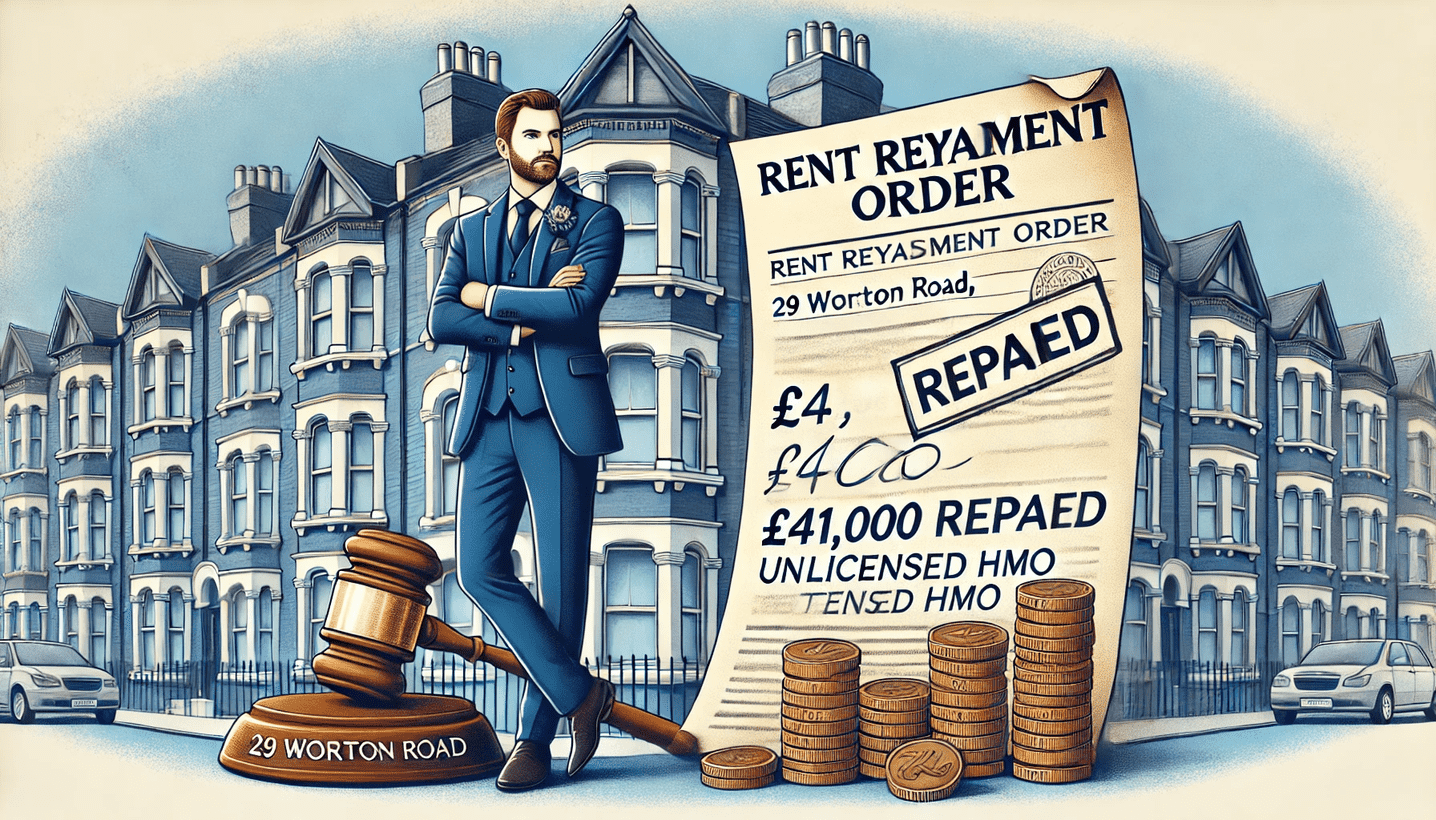
In a major tribunal ruling on 10 July 2021, the First-tier Tribunal ordered Mrs. Hazel May Barton to repay £41,000 to six former tenants of 29 Wroughton Road, Battersea, London. The landlord failed to obtain the required HMO license, violating housing regulations.
This case stands out not only because it reinforces the importance of HMO licensing, but also because it represents one of the largest rent repayment orders granted in recent years. It highlights how tenants can take action when landlords fail to follow the law.
Case Details
Tenants: Joshua Thomas, Katherine McDonald, Richard Smith, Lauren McDonald, David Stevens, Alice Collins
Landlord: Mrs. Hazel May Barton
Property: 29 Wroughton Road, Battersea, London SW11 6BE
Issue: Landlord operated an unlicensed HMO
Timeframe: 17 April 2019 – 16 April 2020
The tenants applied for a Rent Repayment Order (RRO) on 30 June 2020, asking for a refund of rent paid while the property was unlicensed. The tribunal ruled in their favor, confirming that the property met HMO requirements and that the landlord had broken the law by not obtaining a license. This was a breach of section 72(1) of the Housing Act 2004.
Tribunal Findings
The tribunal found that:
- The property qualified as an HMO and required a license.
- The landlord knew about the licensing rules but failed to comply.
- The tenants had the right to claim back their rent.
As a result, the landlord was ordered to repay £41,000, covering the total rent paid during the unlicensed period. Additionally, she had to reimburse the tenants’ £300 application fee.
This ruling makes it one of the largest rent repayment orders issued since 2019, sending a strong message to landlords about the consequences of ignoring licensing laws.
What This Means for Landlords and Tenants
For Landlords: This case is a clear warning—if you’re renting out an HMO, you must have the correct license. Ignoring the rules can lead to serious financial penalties.
For Tenants: If you’re living in an unlicensed HMO, you may be entitled to claim back rent. This case proves that tenants have legal options when landlords don’t follow the law, and in some cases, they can recover significant sums.
Conclusion
The tribunal’s decision reinforces the importance of HMO licensing. Landlords must stay compliant to avoid costly legal action, while tenants should be aware of their rights to challenge illegal rental situations.
With one of the highest rent repayment orders in years, this case sets a precedent for tenants seeking justice against unlicensed landlords.
For more details, you can read the full tribunal decision here.
Could this apply to you?
Nearly every case in this series turns on the same thing: a property that needed a licence and did not have one. That is not rare, and it is free to check.
- Look up the address on your council's public licensing register. Mandatory HMO licensing covers five or more people from two or more households, and many councils run additional or selective schemes covering ordinary lets too. How to check a landlord and property.
- Work out whether your home is an HMO and what that means for your rights. Your rights in a shared house.
- See what a claim involves, including the time limits. A Rent Repayment Order can return up to twelve months' rent, and you can apply after you have moved out. Claiming money back from your landlord.
- Read the wider pattern in our analysis of thousands of tribunal decisions. What Rent Repayment Order data says.
And whatever the outcome, review the landlord and the property. A tribunal decision helps the tenants who brought it. A review reaches the person about to sign next.