
Empty Homes: The Hidden Cost To Communities
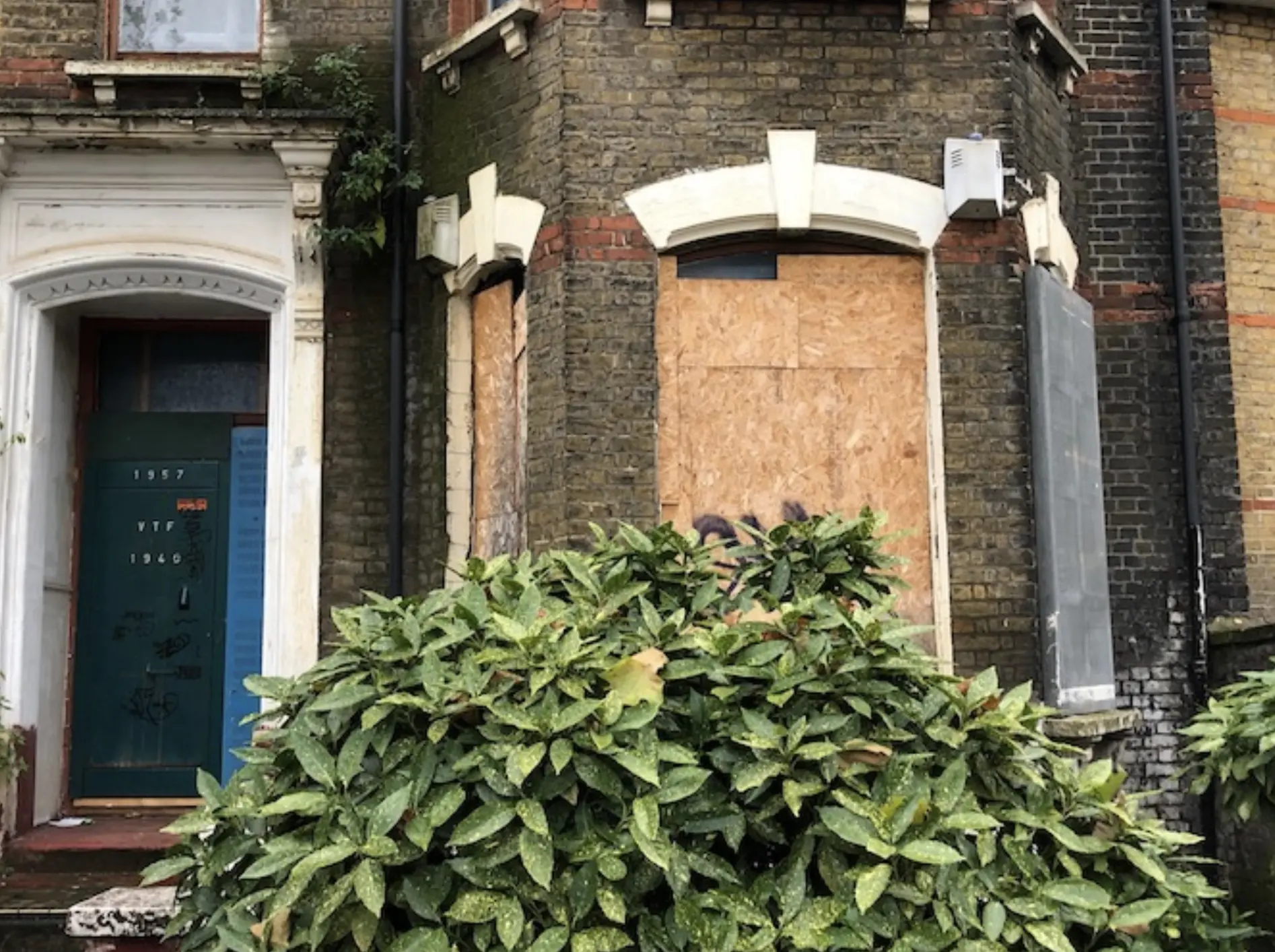
As the nights draw in and cold weather settles in across the UK, the issue of empty homes becomes even more important. Not just as a housing system anomaly, but as something that affects neighbourhoods, local services, and vulnerable people. We're exploring how empty homes impact local communities during the winter months and then highlight how services like our OccupID data tool is helping to identify and bring empty homes back into use.
The Scale Of Empty Homes
The number of empty homes across the UK remains startlingly high, with hundreds of thousands of properties lying vacant despite ongoing housing shortages. According to the charity Action On Empty Homes, the number of long-term empty homes in England rose by 4,000 in 2024 to 265,061 — these are homes that have been unfurnished and unoccupied for more than six months (Action On Empty Homes).
Other research from Property Investments UK puts the figure even higher at around 272,257, which could house more than 650,000 people based on average household size. The Office For National Statistics points out that the true number depends on how “empty” is defined — whether as long-term vacant, all vacant, or second homes — and by those measures, the total could be even higher.
Indeed, a report by the Royal Institution Of Chartered Surveyors suggests Britain could have up to 1.2 million unoccupied homes under broader definitions (RICS). Whatever the exact total, these figures reveal a serious inefficiency in the housing system: at a time when families face long waiting lists and rising rents, huge swathes of potential housing sit unused, often deteriorating and contributing little to local communities.
How Empty Homes Affect Local Communities, Especially In Winter
Empty homes are more than just a statistic. They exert multiple direct and indirect effects on local neighbourhoods, and winter tends to amplify some of these.
1. Blight And Detraction From Community Vitality
When properties sit empty for extended periods they often begin to deteriorate: broken windows, overgrown gardens, rubbish accumulating or vandalism can follow. According to a research briefing from the House Of Commons Library:
“High levels of empty properties are recognised as having a serious impact on the viability of communities. As the number of empty properties within an area increases, so can the incidence of vandalism.” (House Of Commons Library)
During winter, when lighting is less and fewer people are out and about early or late, these effects can feel more acute. A dark, empty house can contribute to a sense of neglect or even insecurity.
2. Pressures On Local Services & Lost Potential
Empty homes represent under-used housing stock. In an environment where housing need is high, this is a lost opportunity. For example, the charity Crisis UK observed:
“According to government reports, there are currently over 998,000 empty homes in England… every empty home removes a property from the housing market.” (Crisis UK)
While some vacants are legitimately between tenures or being refurbished, others lie unused for longer. That means less flexibility for local housing supply, more strain on councils, and higher potential costs (both social and economic).
3. Safety, Health And Winter Vulnerabilities
In winter more than perhaps any other season, having a warm, safe home matters. An empty or neglected property in a neighbourhood can contribute to a lower overall housing standard. Meanwhile, families or individuals placed into temporary or inadequate housing during cold spells are at increased risk of fuel poverty, illness and social isolation.
A blog post by MOOT highlights this:
“Winter has a way of exposing the cracks in our housing system — with record numbers of people in temporary accommodation, and hundreds of thousands of homes standing empty across the UK.” (Marks Out Of Tenancy)
The connection: unused homes represent potential housing, and during winter the lack of housing hits hard.
4. Property Values, Local Economy And Regeneration
Neighbourhoods with persistently empty properties often see knock-on effects: weaker property values, less investment, fewer local services (shops, repair trades) willing to operate at a small scale. One article explains:
“Bringing an empty home back into use … boosts local economies: renovating a vacant property often means hiring local contractors, purchasing materials, and revitalising neighbourhoods.” (Finders International)
When such opportunities aren’t used, the local economy misses out.
Why Winter Brings Urgency
Winter adds a sharp edge to the problem of empty homes. Cold weather and shorter days heighten the sense of neglect and vulnerability in neighbourhoods with vacant properties. In summer, an empty house might simply appear unkempt, but in winter it can become a symbol of disuse and decay — its dark windows and unlit rooms standing in contrast to the warm glow of occupied homes. The consequences are also practical: empty homes left unheated are more prone to damp, burst pipes, and structural damage, making them harder to bring back into use later.
Meanwhile, the same cold months see demand for housing rise, with councils struggling to find temporary accommodation for people facing homelessness. Every empty home represents a lost opportunity for shelter, safety, and stability at the time of year when these are most needed. Beyond the physical impacts, the psychological effect on communities is real — a row of dark, lifeless houses can sap neighbourhood morale and create a sense of decline. That’s why identifying and re-occupying empty homes becomes even more urgent as winter deepens.
Introducing A Solution: OccupID By Marks Out Of Tenancy
Finding empty homes is one of the biggest challenges: many homes appear “occupied” on tax registers, mailing addresses, or property records, but are not truly lived in or are under-utilised. That’s where tools like OccupID come in.
What Is OccupID?
OccupID is a data-service developed by MOOT that uses anonymised, aggregated occupancy data from multiple sources to estimate which properties are likely under-occupied, vacant or otherwise mis-used.
“OccupID provides anonymous occupancy intelligence across the UK property landscape. … By spotting homes with no occupancy activity over time, OccupID helps councils target vacant properties before they become dilapidated or attract vandalism.” (Marks Out Of Tenancy)
The service is used by local authorities and housing providers to identify empty homes, detect unlicensed HMOs and overcrowding, recover lost revenue from incorrect discounts, and prioritise intervention before a property becomes a larger problem.
How It Helps With Empty Homes And Community Impact
OccupID allows councils to identify likely empty homes before they deteriorate, target resources more efficiently, and ultimately turn idle housing into active housing. By flagging properties showing little or no occupancy activity, authorities can reach out to owners and explore ways to bring them back into use. The benefits are particularly clear in winter: each recovered home becomes a potential safe, warm space for someone in need.
Why This Matters For You And Your Community
If you are a local councillor, housing officer, community group or even a concerned resident, OccupID offers a way to turn the problem of empty homes into actionable insight. For neighbourhoods that feel the effects of vacant properties most acutely in the dark winter months, this tool provides a way to take control and foster positive change.
What Communities And Households Can Do
Local residents can play their part too. Keeping an eye out for neglected properties and reporting them to the local council’s empty-homes team can help authorities act faster. Community organisations can work with councils to turn empty homes into affordable housing or community assets, while homeowners can be encouraged to refurbish and rent or sell properties rather than leaving them vacant. Bringing a home back into use doesn’t just benefit one household — it strengthens an entire street, boosts local pride, and supports economic regeneration.
In Summary
Empty homes are not simply unused assets - they carry real costs for communities: decay of neighbourhoods, wasted housing supply, higher burdens on services, and during winter especially, the stakes increase. The very fact that hundreds of thousands of properties sit un-used while there is housing need is a signal of inefficiency and lost opportunity.
Services such as OccupID by Marks Out Of Tenancy offer a practical, data-driven approach to identify, monitor and assist local authorities with converting those empty homes into productive, occupied homes, thereby benefiting housing supply, local community vitality and the health and safety of individuals through the cold months.
Where to go next
The rest of the empty homes series.
- The effect on house prices
- Empty homes and homelessness
- Empty homes as temporary housing
- How councils find them
- OccupID for local authorities
If you run an enforcement or revenues team and want to see what we already hold for your area, that takes one conversation. Get in touch.