
Neighbour's Cat In Your Garden? What Renters Can Do
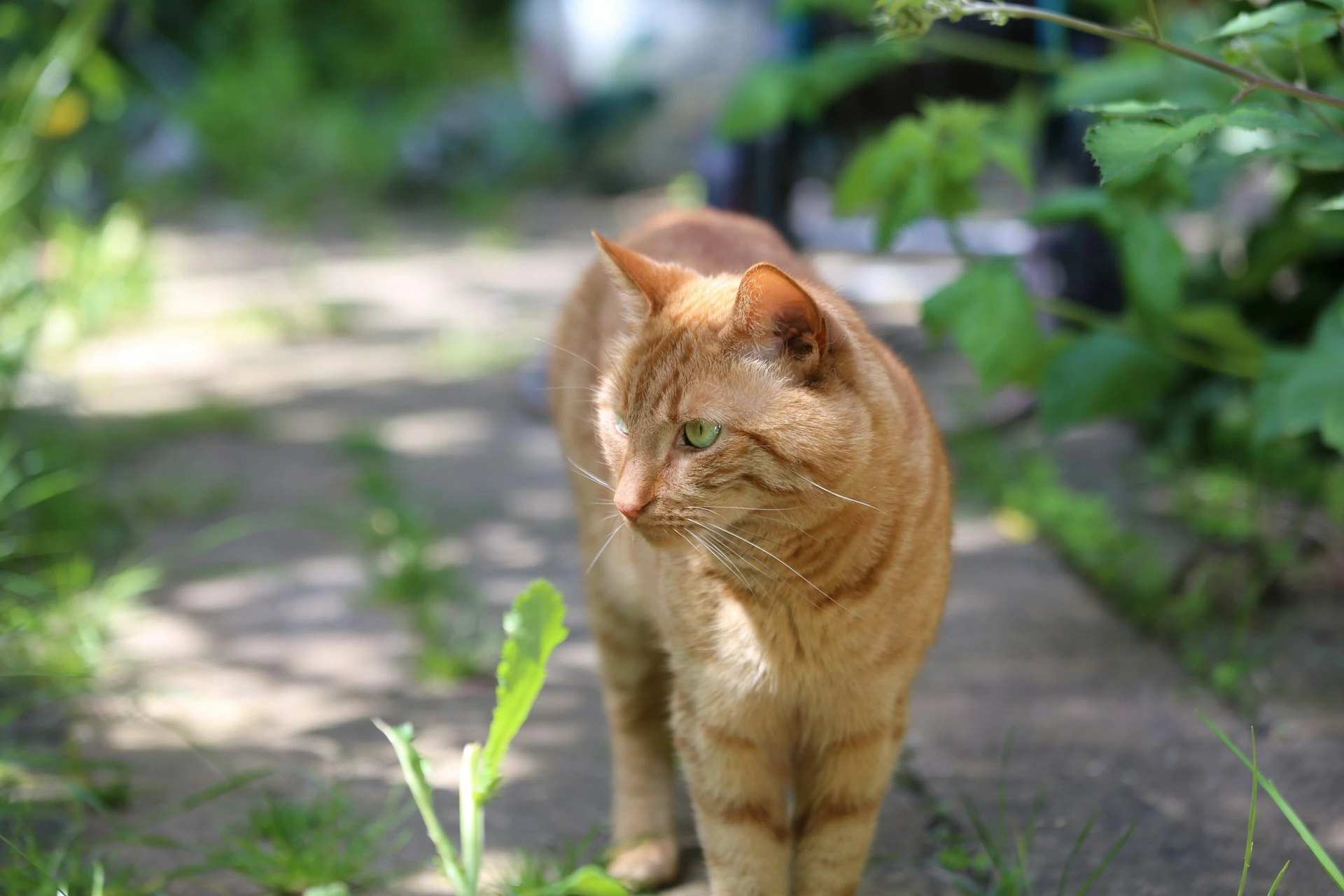
A neighbour's cat has decided your garden belongs to it. It's digging up the beds, leaving mess where you hang the washing, sitting on your car, or wandering in through an open door like it pays half the rent.
You want it to stop. You'd rather not fall out with anyone over it. And you're fairly sure that as a renter you're not allowed to build a fence about it.
Here's where you actually stand, including the bit most articles get wrong.
The short version
- A cat can't legally trespass. Not because cats have special rights, but because their owners have no legal duty to keep them in. Dog owners do. Cat owners don't.
- You can deter a cat. You can't harm one. Hurting a cat is a criminal offence, and so is setting a snare, poison or an unlicensed deterrent.
- As a renter, most of the permanent fixes aren't yours to make. Fencing, sprinklers and cat flaps all change someone else's property.
- Your landlord won't solve this, but they do need to know before you change anything, and before a deposit deduction lands over damage you didn't cause.
Can a cat legally trespass in the UK?
No. And the reason is worth knowing, because it tells you what will and won't work.
People often say cats have a "right to roam". That's not quite it. Cats Protection puts the real position plainly:
"It is often thought that cats have a right to roam wherever they wish. This idea is based on the fact that dog and livestock owners are obliged by law to keep their animals under control, but these duties do not apply to cat owners."
Cats Protection, Cats and the Law
So it's an absence of duty rather than a right. In practice that lands in the same place: there's no trespass claim to bring, and your neighbour isn't obliged to keep their cat at home.
There is one limit though, and it's more useful than people realise. Cats Protection also says owners "do have a duty at law to take reasonable care to ensure that their cats do not injure people or damage property." Cases like that are rare, and it means real damage rather than flattened marigolds. But if a cat is getting indoors and causing genuine harm, you're not quite as stuck as "nothing can be done" suggests.
What's different when you rent
Nearly every guide on this is written for homeowners, and you can tell. Put up a six foot close boarded fence. Install a motion activated sprinkler. Fit a microchip cat flap.
All good advice. All changes to a property you don't own.
The rule of thumb when you rent is simple: anything that screws into, digs up or permanently alters the place needs your landlord's say so first. That covers fencing, trellis, sprinklers plumbed into an outside tap, and swapping a door to fit a cat flap. Doing it anyway is the sort of thing that quietly reappears as a deposit deduction later. Our guide on what you're allowed to change in a rental covers where that line usually falls.
The good news is that the things that work best need no permission at all, because you can take them with you when you go.
What works, and is legal
The RSPCA's advice is the sensible starting point, and most of it suits renters fine:
- Cut off the food. "Don't offer other cats food, as they're more likely to return." That includes bird feeders that spill and bins that don't shut properly.
- Make the soil annoying to dig. Pebbles, stone chippings or netting over bare earth. Cats want loose dry soil for a toilet, and they lose interest fast when they can't dig.
- Keep the beds watered. "Some cats don't like wet earth", and it costs you nothing.
- Plant thickly, or plant prickly. Cats go around obstacles rather than through them.
- A low powered water pistol, squirted "near (not at!) the cat" as the RSPCA puts it. You're startling it, not soaking it.
- Ultrasonic deterrents. The battery powered motion activated sort sit on the ground, need no fixing to anything, and come with you at the end of the tenancy.
Two honest caveats. Ultrasonic deterrents work brilliantly on some cats and are completely ignored by others, and they can upset your own pets. And nothing works at all if there's a food source you haven't found yet.
What you must never do
This is where a frustrating situation turns into a criminal record, so it's worth being blunt about it.
Cats are protected animals under the Animal Welfare Act 2006. Causing unnecessary suffering to one is a criminal offence. So is putting down snares, poison or an unlicensed deterrent, and that includes homemade ideas involving chilli powder, antifreeze or anything meant to hurt rather than discourage.
Trapping the cat and driving it somewhere else isn't a solution either. Cats count as property in law, so taking one is closer to theft than to pest control.
The RSPCA's own line is the standard to hold yourself to: "make sure that any deterrent used are non-harmful or cruel."
If the cat's getting inside your home
A cat in the garden is annoying. A cat that walks into your kitchen, sprays, or picks a fight with your own cat is a different problem, and it's the one most likely to cost you money.
The fixes are the ones you'd probably reach for anyway. Keep doors and low windows shut when you're not in the room, and clear away anything that smells like dinner. If you already have a cat flap fitted, a microchip activated replacement really is the only reliable answer, but it's a change to the door, so ask your landlord in writing first. Framed as a permanent upgrade at your own expense, most say yes.
If a visiting cat is spraying indoors, move quickly. Urine soaks into carpet underlay and skirting, and that's exactly the kind of damage that gets pinned on you at check out. Photograph it, date the photos, and tell your landlord or agent at the time rather than at the end. Our guide to documenting the condition of your rental covers how to keep evidence in a form that actually stands up.
Talking to your neighbour
This sorts out more of these situations than any gadget will, and it goes far better if you start from something most cat owners will accept: their cat isn't doing anything wrong, and you're not asking them to keep it locked up.
What tends to land well:
- Lead with the specific problem, not the cat. "It's using the bed under the washing line as a toilet" is much easier to act on than "your cat keeps coming round."
- Ask whether it's being fed elsewhere. Owners often have no idea their cat is doing the rounds.
- If it's getting indoors, say so. Most owners find that genuinely worrying, because of what their cat might eat or where it could get shut in.
- Mention the deterrent you're planning to use, so it doesn't turn up as a nasty surprise.
If your neighbour isn't the reasonable sort, or things have already gone sour, our guide on dealing with difficult neighbours when you rent covers what happens next, including what your letting agent can and can't do about it.
Where your landlord comes in
Your landlord has no power over next door's cat, and asking them to sort it out won't get you far. There are three moments where they genuinely matter:
- Permission, before you fix anything to the property or change the garden.
- Damage, so anything caused by an animal that isn't yours gets recorded now rather than argued about later. That's a deposit problem waiting to happen.
- Repairs, if the way the cat gets in is actually a fault. A door that won't close square, a broken window catch, a missing air brick cover. That's the landlord's job to fix, and it's worth reporting as a repair rather than as a cat complaint.
That last one is the bit people miss. If a cat is strolling in because the back door doesn't shut properly, the cat isn't really the problem.
What about the garden itself?
Worth a look at your tenancy agreement while you're at it. Most of them put routine garden upkeep on the tenant, which can mean you're the one expected to put churned up beds right again. Our guide to who's responsible for the garden in a rented home covers where that line usually sits.
What actually happens in the end
Most of these stories finish with the cat still visiting, but visiting less, and no longer treating the garden as a litter tray. That's usually enough. Cats are territorial and extremely persistent, and the goal isn't to win. It's to make your garden boring.
What's not worth doing is spending real money on permanent changes to a place you might leave in six months, or letting it curdle into a row with someone you'll still be living next door to afterwards.
And if the bigger picture here is a landlord who won't fix the door, or an agent who never picks up, that's worth putting on record. Reviewing your landlord and letting agent on Marks Out Of Tenancy is how the next tenant finds out before they sign.
This guide covers the law in England and Wales. Scotland and Northern Ireland differ in places. It's general information rather than legal advice, and it can't account for what's in your particular tenancy agreement. Sources: Cats Protection, RSPCA, Animal Welfare Act 2006.