
Your Rights As A Disabled Renter
Disabled renters have more rights than most people realise, and get less of them in practice than almost anyone.
The Equality Act 2010 applies to landlords and letting agents. There's grant money of up to £30,000 for adaptations. And the abolition of no-fault eviction has removed the thing that made most disabled tenants stay quiet about all of it.
The short version
- Landlords and agents can't discriminate against you because of disability, at any stage, from advert to eviction.
- They must make reasonable adjustments, including to their own rules and policies.
- Adaptations can't be unreasonably refused, and there's grant funding for them.
- Assistance dogs aren't pets, and refusing one is likely to be discrimination.
What counts as a disability
Broader than people assume. Under the Equality Act, a physical or mental impairment that has a substantial and long-term adverse effect on your ability to do normal daily activities.
That includes mental health conditions, long-term illnesses, sensory impairments, learning disabilities, neurodivergence, and fluctuating and invisible conditions. You don't need a benefits award or a formal diagnosis to be covered.
What a landlord can't do
- Refuse to let to you because of your disability, or because of an assistance dog.
- Offer worse terms, a higher deposit, or demand a guarantor they wouldn't ask of anyone else.
- Treat you unfavourably for something arising from your disability, unless they can objectively justify it. This is the one that catches most real cases: eviction proceedings for behaviour connected to a mental health condition, or arrears caused by a benefit delay.
- Harass you about your condition.
- Victimise you for complaining about discrimination.
- Refuse "DSS", benefits or housing benefit. Blanket bans are now explicitly unlawful under the Renters' Rights Act, and were already likely to be indirect disability discrimination.
Reasonable adjustments
The duty is anticipatory for service providers like letting agents, meaning they should have thought about it before you asked.
Adjustments to how things are done, which cost little or nothing:
- Communicating by email rather than phone, or the reverse
- Documents in large print, plain English or an accessible format
- Extra time to respond, or to complete referencing
- Letting a support worker or advocate deal with them on your behalf
- A different rent payment date to align with when benefits land
- Longer notice before inspections, or a specific time of day
- Accepting a guarantor arrangement that works with your circumstances
Ask in writing, use the phrase "reasonable adjustment", say what the adjustment is and why it helps. That creates a record and makes a refusal harder to justify later.
The important limit: in private renting the duty to make adjustments does not extend to removing or altering physical features of the building. Those are handled as adaptations, below.
Adaptations, and the grant that pays for them
This is where the money is, and it's routinely unclaimed.
Disabled Facilities Grants are administered by your council, and the maximum in England is £30,000. Private tenants are eligible on the same basis as owners. Councils can top it up beyond the cap where the works cost more.
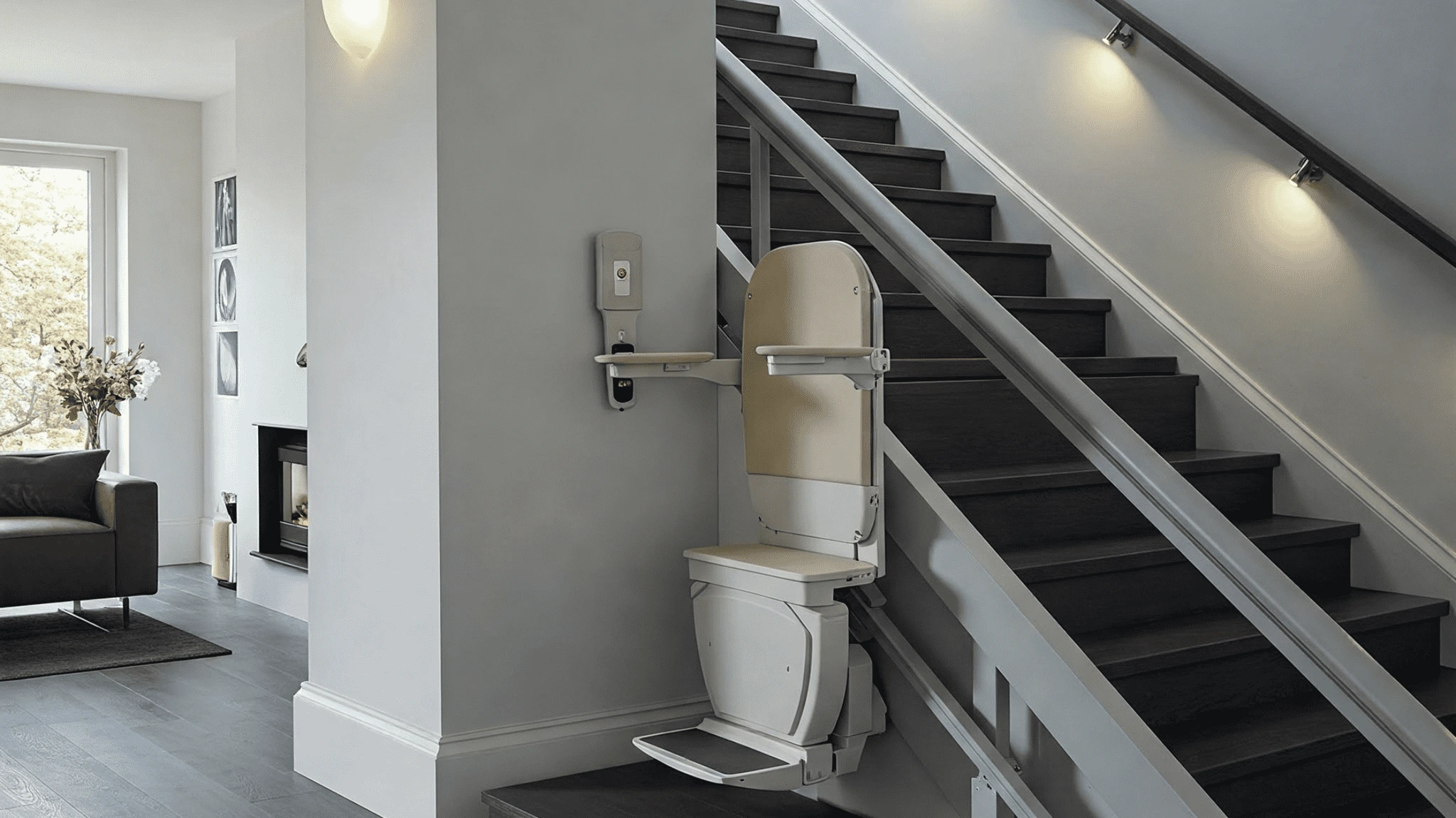
What they typically cover: level access and ramps, widened doorways, a stairlift, a level-access shower or wet room, adapted kitchen fittings, and heating or lighting controls you can actually use.
How it works:
- Ask the council for an assessment, usually through adult social care or an occupational therapist. Free.
- They assess what's necessary and appropriate, and whether it's reasonable and practicable for the property.
- Your landlord signs an owner's certificate, agreeing to the work. A council can waive this if it's unreasonable to require it in the circumstances.
- It's means tested for adults, on your income and savings, not your landlord's. Not means tested for a disabled child.
Timescales are often long, so start early rather than at crisis point.
Getting the landlord to agree
The landlord's consent is usually the sticking point, and the position has changed.
Under the Equality Act, a landlord should not unreasonably refuse a request for a disability-related adaptation. Government guidance during the Renters' Rights Bill was explicit that abolishing Section 21 gives tenants "greater confidence in requesting adaptations and challenging unreasonable refusals by removing the threat of retaliatory evictions."
What makes a yes more likely:
- Put it in writing with the occupational therapist's assessment attached.
- Say who's paying. A grant-funded adaptation costs the landlord nothing, which is the fact most likely to change their mind.
- Address reinstatement. Say whether you'll remove it and make good at the end, and be aware a council can require this as a grant condition.
- Point out what it adds. A level-access shower makes a property lettable to a much wider group.
- Give a deadline for a response, and follow up in writing.
If they refuse, ask for the reason in writing. An unexplained refusal is much easier to challenge than a reasoned one.
Assistance dogs
An assistance dog is not a pet, and refusing one is likely to be disability discrimination quite separately from the pet rules.
Under the pet request process introduced in May 2026, GOV.UK lists refusing a request when the landlord knows you need an assistance animal such as a guide dog as an example of an unreasonable refusal. No pet deposit or pet insurance can be required either.
Repairs and hazards matter more
Disrepair that would be an inconvenience for someone else can be a serious risk for you, and that's directly relevant to how urgently it should be dealt with.
When you report a repair, say who lives in the property and what the specific risk is. "The handrail is loose" is a routine job. "The handrail on the only staircase is loose and I have a balance impairment" is not, and putting that in writing changes both the priority and the landlord's exposure if they ignore it.
Awaab's Law applies to damp and mould with statutory timescales, and household vulnerability is part of the assessment. Damp and mould and when a landlord won't repair.
If you're being discriminated against
- Write it down. Dates, what was said, who said it, and keep every message. Discrimination cases are won on the paper trail.
- Raise it in writing, naming the Equality Act and saying what you want done.
- Complain formally to the agent, and to their redress scheme if it's an agent. The Property Ombudsman.
- Get advice. Citizens Advice, Shelter, the Equality Advisory and Support Service, and Disability Rights UK all give free advice.
- County court claim, if it comes to it. There is a six month time limit for Equality Act claims in services and housing, which is short. Get advice early rather than late.
The eviction point
Worth stating plainly, because fear of eviction is why so much of this goes unasked.
Section 21 no-fault eviction was abolished on 1 May 2026. A landlord can no longer respond to an adaptation request, a reasonable adjustment request, or a discrimination complaint with a two-month notice.
They need a specified ground and have to prove it in court. And where possession is sought for something arising from your disability, the Equality Act can be raised as a defence, which is worth getting advice on immediately if it happens.
The honest summary
Ask for adjustments in writing and use the words. Go to the council for an occupational therapy assessment and a Disabled Facilities Grant, because £30,000 is available and most people never ask. Tell your landlord the grant pays for it.
Keep records of everything, watch the six-month time limit, and get free advice early.
And review your landlord and agent. Whether a landlord agreed to an adaptation, or made a disabled tenant fight for a handrail, is exactly the information the next person needs and cannot get anywhere else.
This guide covers England and reflects the position at August 2026. Wales, Scotland and Northern Ireland differ. General information rather than legal advice; Equality Act claims have a six month time limit, so get advice from Shelter, Citizens Advice or the Equality Advisory and Support Service quickly. Sources: GOV.UK, Disabled Facilities Grants, Equality Act 2010, Shelter Legal, disabled facilities grants.