
Boiler Broken In A Rental? What To Do, And How Fast
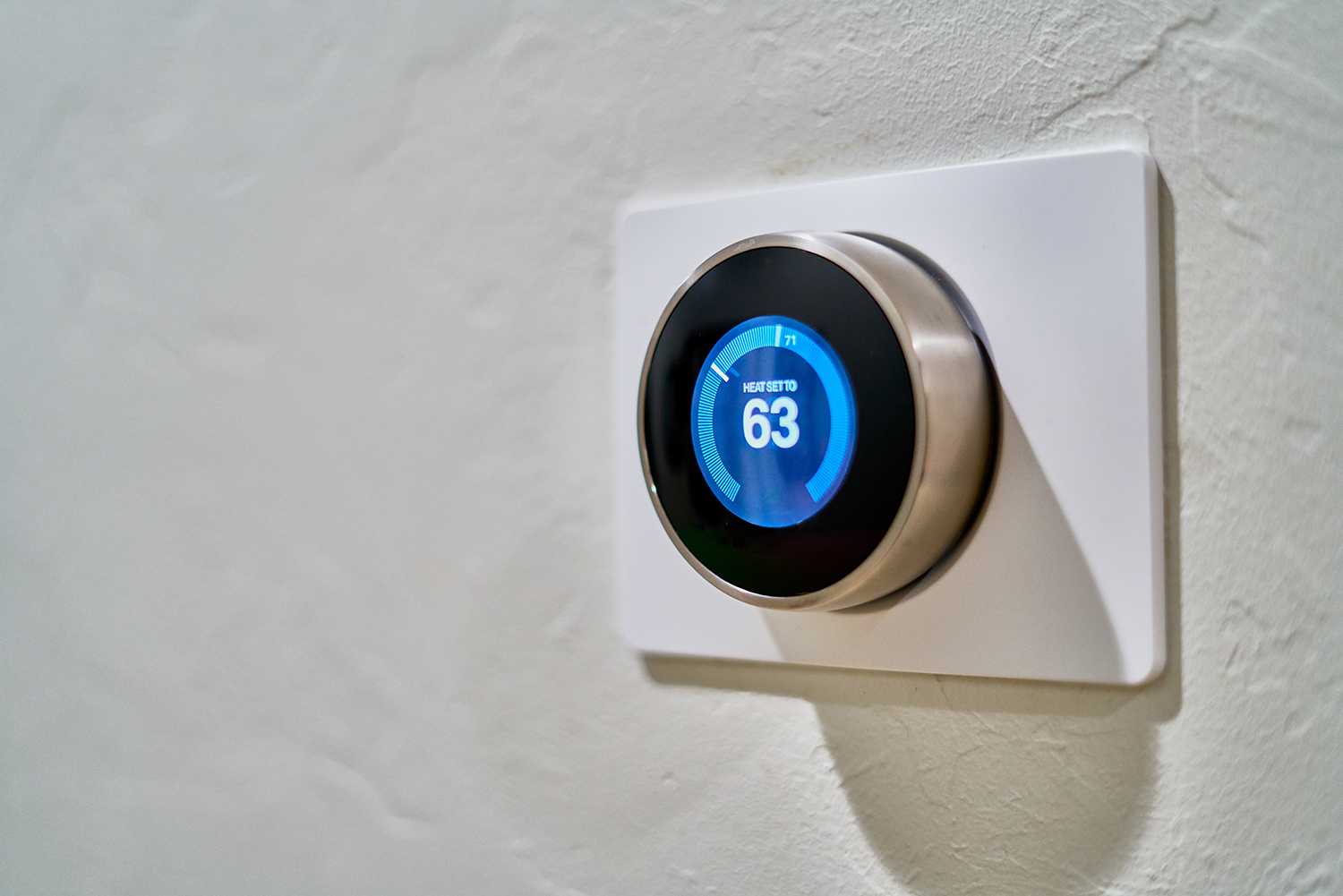
No heating, no hot water, and it's December. This is one of the few repair situations where the law is completely unambiguous and the timescale is measured in hours rather than weeks.
Here's what to do, in order, and what you can claim if it drags.
The short version
- The boiler is your landlord's responsibility. Always. It cannot be signed away by any clause in any agreement.
- No heating or hot water in cold weather is an emergency, with a target of 24 hours.
- Report it in writing immediately, and say who is in the household.
- Don't withhold rent. There's a lawful route to recover costs and that isn't it.
Why this one is clear-cut
Section 11 of the Landlord and Tenant Act 1985 puts the installations for space heating and water heating squarely on the landlord, along with the supply of gas, water and electricity.
Unlike a washing machine or an oven, there's no argument about whether it's an "appliance" outside the statute. A boiler is the heating installation. It's theirs, and a clause making you responsible for it is unenforceable.
They also can't refuse on the basis that you should have serviced it, that it's old, or that a part is expensive.
Before you report it
Two minutes of checks, because a call-out for one of these may be charged to you.
- Pressure. Most combi boilers need around 1 to 1.5 bar. If the gauge is on zero, that's usually the fault, and topping it up is often something you can do.
- Thermostat and timer. Batteries, the schedule, and whether someone has knocked it to "off" or "holiday".
- Gas supply. Does the hob light? If not, check the meter, and if you're on a prepayment meter check the credit.
- Power. The boiler has a fused spur or switch, often behind a cupboard door. And check the RCD in the consumer unit.
- Fault code. Photograph whatever is on the display. It speeds everything up.
If you smell gas: don't touch anything electrical, open windows, turn off at the meter if you can safely reach it, leave the property, and ring the National Gas Emergency Service on 0800 111 999. Free, 24 hours, and they will attend.
Reporting it properly
In writing, however you also report it by phone. Email creates the record that everything else depends on.
Include:
- What's happening, precisely. "No hot water and no heating, boiler showing fault code F28, pressure at 1.2 bar."
- When it started.
- What you've already checked.
- Who lives there. Children, anyone elderly, pregnant, disabled, or with a health condition. This changes the urgency and it should.
- A request for a timescale and confirmation of who is attending.
That fourth point matters more than people realise. A property without heating in cold weather is a hazard under the Housing Health and Safety Rating System, and vulnerability is directly relevant to how serious it is.
The timescale
There's no single statutory list for private renting, but this is the framework councils and courts work to:
- 24 hours for no heating or hot water in cold weather. This is treated as an emergency.
- 3 to 7 days for a partial failure, such as heating working but no hot water in mild weather.
A landlord can't always complete a full repair in 24 hours if a part is on order. What they should do is make it safe, provide temporary heating, and tell you the plan. What counts as an emergency repair covers the wider list.
Awaab's Law sets binding timescales for hazards in social housing, in force since 27 October 2025. It doesn't apply to private renting yet and isn't expected to before 2027, so don't cite it at a private landlord.
Temporary heaters
If the repair will take more than a day or so in cold weather, ask for temporary heating. Many landlords will provide it, and a reasonable one offers before being asked.
If you buy or hire heaters yourself, keep the receipts and tell your landlord in writing that you've done so and that you'll be asking them to cover it. Also keep an eye on what they do to your electricity bill, because electric heating is expensive and that cost is part of what the failure has cost you.
Use them safely. Never leave one unattended overnight, keep them clear of furnishings and curtains, and don't run them from an extension lead.
If nothing happens
- Chase in writing, referring to your original report and its date and time.
- Complain formally to the agent, then to their redress scheme. Free, independent, and they can award compensation.
- Call environmental health. Excess cold is a hazard they assess, and they can serve an improvement notice requiring the work. Free, fast in genuine cases, and it creates an independent record.
- Consider a claim for the period you were without heating. Claiming money back from your landlord sets out the routes, and when a landlord won't repair covers escalation.
Repair and deduct, carefully
You can arrange the repair yourself and take the cost from rent, but only by following a specific procedure, and boiler work must be done by a Gas Safe registered engineer.
Skip a step and you've simply created rent arrears, which is now a mandatory ground for possession at three months. The full procedure is in can I withhold rent for repairs. Take free advice before you spend anything.
Keep a record of what it cost you
If this runs on, you may be able to negotiate a rent reduction for the period or claim compensation. That depends entirely on evidence gathered at the time.
Note the dates it was out, receipts for heaters and their running cost, launderette or shower costs, extra takeaways if you couldn't cook, and any nights you stayed elsewhere. Photograph a thermometer showing the indoor temperature, with a date.
You'd be surprised how often a landlord who has ignored three emails responds to a calm itemised list.
Two things about safety
Your landlord must have a gas safety check every 12 months by a Gas Safe registered engineer, and give you a copy of the certificate. If you've never seen one, ask in writing. That's a criminal matter, not an administrative one.
Never let anyone unregistered work on a gas appliance, including a helpful friend. You can check an engineer's registration on the Gas Safe Register.
Smoke and carbon monoxide alarms covers the related duties, and a carbon monoxide alarm is not optional where there's a fixed combustion appliance.
Can they evict you for complaining?
Not any more, and this genuinely changed the calculation.
Section 21 no-fault eviction was abolished on 1 May 2026. A landlord now needs a specified ground and has to prove it in court, and "the tenant kept asking about the boiler" is not one of them.
If you've been quietly enduring a bad boiler because you didn't want to make a fuss, that risk has largely gone. What the Renters' Rights Act changed.
The honest summary
Check the pressure, the thermostat and the power. Report in writing straight away, with a fault code and who's in the house. Expect 24 hours in cold weather, ask for temporary heating, keep every receipt.
Escalate through the agent, their redress scheme and environmental health, all free. Don't stop paying rent.
And if you spent a fortnight in the cold waiting for someone to answer an email, that belongs on the record. Reviewing your landlord and agent is how the next tenant finds out before they sign a winter tenancy.
This guide covers England and reflects the position at August 2026. Wales, Scotland and Northern Ireland differ. General information rather than legal advice. Sources: Landlord and Tenant Act 1985, section 11, GOV.UK, private renting repairs, HSE, landlords' gas safety duties.