
Housemate Keeps Taking Your Food? How To Handle It
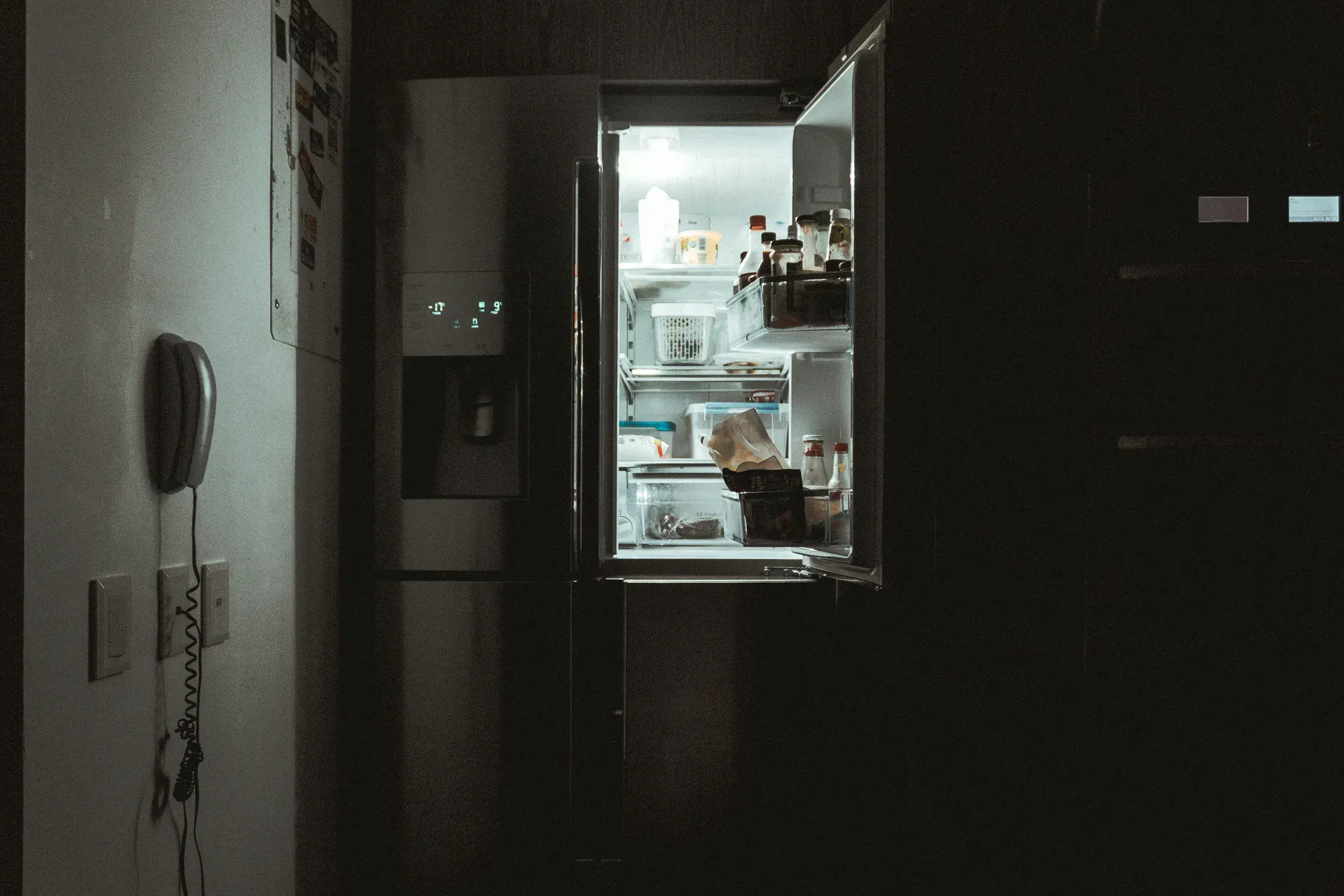
You bought the good cheese on Tuesday. By Thursday there's a wedge missing and nobody has mentioned it. Or your milk keeps emptying, or the leftovers you were saving for lunch have gone.
It sounds small written down, which is exactly why it festers. Nobody wants to have a row about a yoghurt, so it goes unsaid for weeks and turns into something much bigger than food.
The short version
- Be sure before you say anything. A wrong accusation is far harder to come back from than the missing food was worth.
- Raise it early and lightly. The longer you leave it, the angrier you'll be when it comes out.
- It's technically theft, but that isn't the route. Police involvement over a pint of milk will cost you the house.
- Your landlord can't help, and shouldn't be asked. This is between housemates.
Why it happens
Worth a moment, because the reason changes the conversation.
Genuine confusion. In a house with no system, people lose track of what's theirs. Someone bought milk on Monday, someone else on Wednesday, and now nobody's sure.
The "just a bit" problem. A splash of milk, one slice of bread, a bit of cheese. Each individually trivial, and the person doing it genuinely doesn't think of it as taking anything.
Money. Someone is struggling and too embarrassed to say. This is more common than people assume, particularly in student houses and at the end of the month.
Drunk decisions. A large proportion of missing food goes at two in the morning, and the person often doesn't remember clearly.
Actual entitlement. Rarer, and the only one where being firm early genuinely matters.
The first four are all fixable with a conversation. Only the last one needs boundaries enforced.
Before you say anything
Make sure
Really sure. Did you eat it and forget? Is there a partner or guest coming and going? Have you checked whether it got moved to a different shelf?
Accusing the wrong person, or accusing anyone when it turns out you finished it yourself on Sunday, poisons a house for months.
Keep a quick note
Not a surveillance operation. Just a couple of lines in your phone: what went, and roughly when. Two or three entries turns "you keep taking my stuff" into "the milk's gone three Thursdays running", which is much harder to wave away and much easier to say without sounding paranoid.
Having the conversation
Do it early, when you're mildly annoyed rather than furious. The version of this conversation you have after two months is not a good one.
Go low key first. "Has anyone been having my oat milk? Not a problem, I just keep running out and I'd rather buy more if we're sharing it." That gives everyone an exit. A lot of people will own up to it right there.
Talk about the thing, not the person. "My food keeps disappearing and it's getting expensive" lands better than "you've been stealing from me."
Say what you actually want. Not just that you're annoyed. "Could we keep our own shelves and ask before taking anything?" is something someone can agree to.
Don't do it by passive aggressive note. A sign on the fridge saying WHOEVER KEEPS TAKING MY THINGS is read by everyone including the four people who didn't, and it makes the whole house tense.
Group chats are for logistics, not conflict. Say it in person, or one to one.
If money turns out to be the problem, that changes things. A housemate quietly not affording food is a different conversation, and one worth having kindly. A shared staples pot, where everyone puts in a fiver a week for milk, bread, pasta and oil, solves it without anyone having to admit anything.
If that's you rather than them, there's no shame in it and there is help. Citizens Advice has a guide to help with the cost of living, including food banks, hardship funds and what you may be entitled to. Our own guide on saving money when renting covers the housing side.
Practical things that work
- A shelf each, in the fridge and the cupboard, clearly allocated. This single change fixes most food disputes in most houses.
- Shared staples pot. Milk, bread, butter, oil, tea. Everyone contributes, nobody counts.
- Label things, without making a performance of it. Initials on a lid is fine. Elaborate warning labels are not.
- Opaque containers. Out of sight genuinely does mean out of mind at 2am.
- Keep the expensive things in your room where they don't need refrigerating.
- A lockable box if it's got that far, though be aware it's a statement as well as a solution.
A house meeting is worth it if more than one person has noticed. Frame it around setting up a system, not around catching someone. Agree the shelf arrangement, the staples pot, and what counts as fair game.
Is it actually illegal?
Technically, taking someone else's property intending to keep it meets the definition of theft under the Theft Act 1968. Practically, the police are not going to attend over a block of cheddar, and involving them would end the tenancy in every way that matters.
There's one exception worth naming. If things are going missing that aren't food, particularly cash, cards or anything of real value, that's a different situation entirely and it deserves to be treated seriously. That's the point at which reporting it is reasonable. Related: what to do if a flatmate has been in your room.
Where your landlord fits, which is nowhere
Housemate disputes aren't a landlord matter, and asking them to intervene tends to go badly. They have no power to police a fridge, and in a joint tenancy they may reasonably point out that you chose each other.
There's one situation where they're relevant: if you're on individual tenancies in an HMO, the landlord chose your housemates and there's usually a clause about not causing nuisance to other occupiers. Persistent, deliberate theft could fall under that. It's still a last resort.
Worth knowing which kind of tenancy you have anyway, because it decides much bigger things than food. Shared house rights covers joint versus individual agreements and why it matters.
If nothing changes
You've raised it, calmly, more than once, and it's still happening. At that point you're not dealing with a misunderstanding.
- Be direct and specific. "This has come up twice and it's still happening. I need it to stop." No hedging.
- Stop making it available. Buy less, keep more in your room, and stop replacing shared items unilaterally.
- Get the others involved if they've noticed too. One person complaining is a personality clash. Three is a house problem.
- Think about the tenancy end date. If it's genuinely miserable, not renewing together is a legitimate answer, and quite a common one.
Be careful about the last one if you're on a joint tenancy, because any one tenant can end it for everybody with two months' notice. Talk before anyone serves anything.
Keeping perspective
Food disappearing is rarely really about food. It's usually about whether people in the house respect each other's things and each other's space, which is why it stings out of all proportion to the price of the cheese.
Fix the system first, shelves and staples, because that removes most of it without anyone having to be accused of anything. Then have the direct conversation if it continues.
More on the rest of shared living: living with housemates, when someone ignores the cleaning rota, the bathroom hogger, and the housemate's partner who never leaves.
And when the tenancy ends, review the property, the landlord and the agent. Shared houses turn over faster than anything else, and the next group are choosing with nothing to go on.
General guidance for renters in the UK. It isn't legal advice, and your own tenancy agreement governs your arrangements with your landlord.