
Housemate Ignores The Cleaning Rota? What To Do
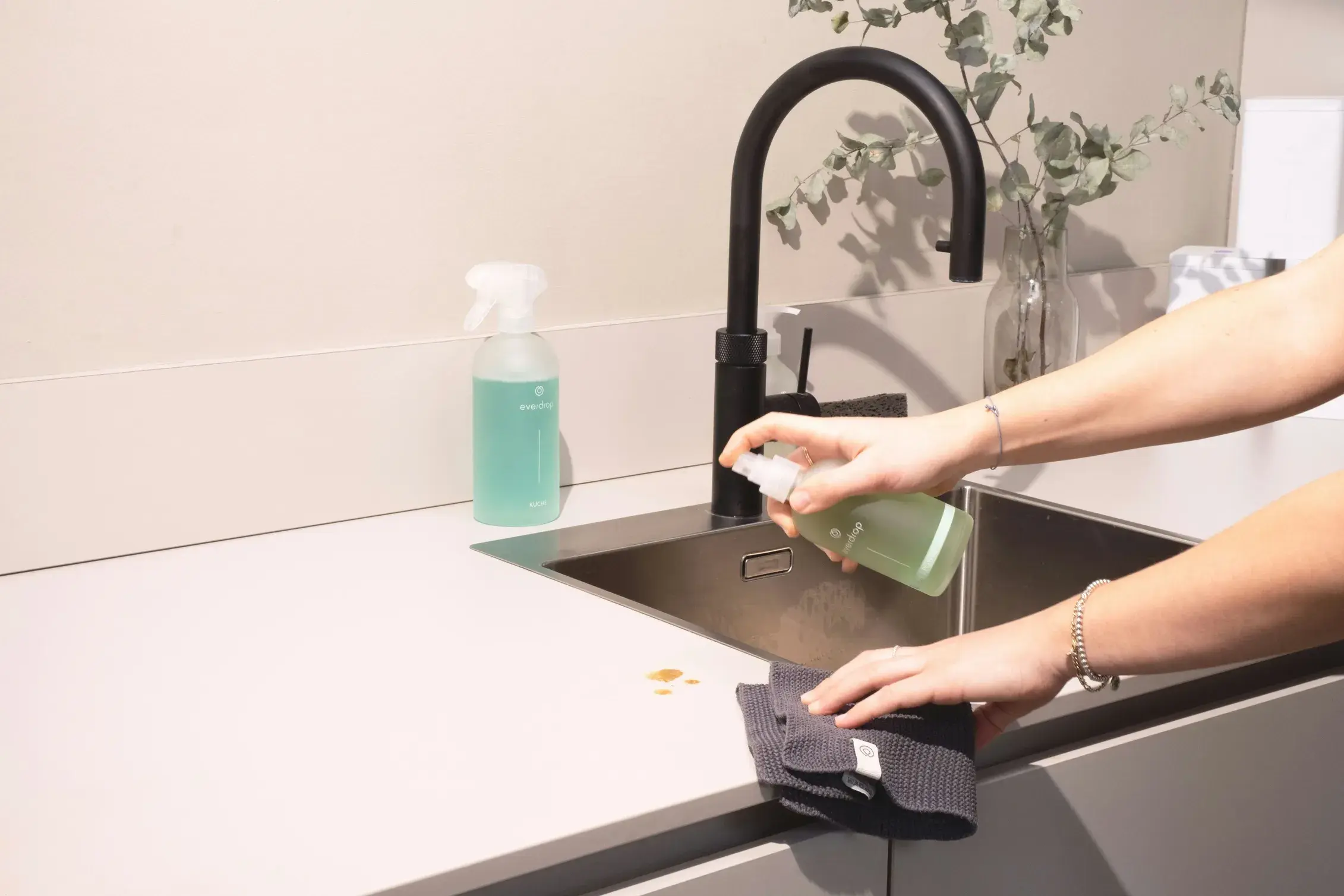
You made the rota. Everyone agreed to the rota. One person has not done a single thing on the rota since March, and you are now the sort of person who thinks about a rota.
Cleaning is the most common thing house shares fall out over, and rotas fail more often than they work. Here's why, and what tends to work better.
The short version
- Rotas usually fail because one person wrote it. Agreement matters more than the schedule.
- People genuinely see mess differently. It's not always avoidance.
- Splitting by area beats splitting by week in most houses.
- A paid cleaner is often cheaper than the argument, at roughly £15 a month each.
Why rotas fail
Four reasons, and they're worth diagnosing before you escalate.
Nobody actually agreed. One person made it and put it on the fridge. Everyone else nodded rather than agreeing, which is a different thing entirely.
Different thresholds. Some people see a sink with two mugs in it and see mess. Others genuinely don't register it until it's a full sink. Neither is lying, and the person with the lower threshold always ends up doing more.
It's vague. "Kitchen" means wiping the sides to one person and includes the oven to another. Unspecified tasks default to whoever cares most.
No consequence. Nothing happens when someone skips their week, so it becomes optional, and then it becomes normal.
Talk to them once, properly
Before redesigning anything, have one direct conversation. In person, not the group chat.
Say the specific thing. "The bathroom hasn't been done for about a month and it's been your week three times" is a fact. "You never clean" is an argument.
Then ask rather than accuse: "Is the rota not working for you?" That occasionally produces something useful. Shift patterns that make Sunday impossible, or that they think their contribution is elsewhere and nobody has noticed.
And be honest with yourself about whether they know. A rota on the fridge that nobody discussed is not the same as an agreement.
What works better than a weekly rota
Split by area, not by week
The best single change in most houses. Everyone owns a zone permanently: one person the bathroom, one the kitchen, one the hallway and stairs.
It works because ownership is clear, nobody is inheriting someone else's neglect, and standards become visible. If the bathroom is grim, everyone knows whose it is, without anyone having to check a chart.
Rotate every few months if some areas are worse than others.
Define what the job actually is
Write it once. "Kitchen: sides wiped, floor swept, bin out, sink empty." Removes the whole category of argument about whether it was done.
Clean at the same time
An agreed hour on a Sunday where everyone does their bit at once. Much harder to skip when other people are visibly doing theirs, and it takes forty minutes rather than being a background grievance all week.
Pay someone
The most underrated option. A cleaner for two hours a fortnight, split four ways, is around £15 a month each.
Most people will pay that to never have this conversation again, and it's less than a couple of pints. It won't cover your own washing up, but it takes the bathroom, floors and kitchen surfaces off the table entirely.
If money is tight for anyone, say so early and don't make it a test of character. Our guide on saving money when renting may help.
Reduce what needs cleaning
A bin that gets emptied before it overflows, a bathroom that gets a wipe when you're already in there, and a rule that dishes don't stay overnight. Most of the accumulated horror in a share comes from small deferrals, not from nobody deep cleaning.
If nothing changes
- House conversation, all together. Not an ambush and not a tribunal, but with everyone present.
- Ask what would work for them. Someone who refuses every option is telling you something clear.
- Propose the cleaner. It converts a behaviour problem into a money problem, which is far easier to solve.
- Stop compensating. Hard, and necessary. If you keep cleaning their zone, the situation is stable and nothing will change.
- Let the shared space reflect it, within reason. Their mugs stay theirs. Not passive aggression, just not doing their share for them.
What not to do: passive aggressive notes, photographing mess into the group chat, or a spreadsheet with a scoring system. All of those escalate and none of them clean anything.
Where the landlord fits, which is nowhere
Cleaning between housemates isn't a landlord matter and they won't get involved.
Two exceptions worth knowing:
- Genuine health hazards. Vermin, serious infestation, or conditions that make the property unfit. That is a different problem entirely, and your council's environmental health team can inspect and act. Hygiene and sanitation are among the hazards assessed under the standards councils enforce in rented homes. If your home is unfit.
- The deposit at the end. On a joint tenancy, cleaning deductions come out of the whole pot regardless of who caused them. Which is the strongest practical argument you have: this will cost everyone money in the end. Getting your deposit back.
That second point is worth raising early rather than as a threat later. "We'll all lose deposit money over this" is a shared consequence rather than a criticism.
The honest summary
Have one direct conversation, then change the system rather than the person. Areas beat weeks, defined tasks beat vague ones, and a paid cleaner beats both if everyone can manage £15 a month.
And accept that some people will never care as much as you do about the sink. The trick is designing a house that works anyway.
More on shared living: living with housemates, food going missing, the bathroom, and the partner who's always there.
And when the tenancy ends, review the property and landlord. It's the only way the next group finds out what they're moving into.
General guidance for renters in the UK. Not legal advice, and your own tenancy agreement governs your arrangements with your landlord.