Free guides to renting in England, written for the law as it actually stands after the Renters' Rights Act came into force on 1 May 2026.
No advertising, no sign-up, no paywall. Every guide says plainly what the rules are, what to do about them, and where the free routes are when a landlord will not act.
Start here if something has gone wrong
Start here if you are about to rent
What changed in May 2026
The biggest change to renting in thirty years, and a lot of advice online has not caught up with it.
- Section 21 no-fault eviction is abolished. A landlord needs a specified ground and has to prove it in court.
- No fixed terms. Tenancies are periodic, and you leave on two months' notice.
- Rent in advance is capped at one month, and bidding above the advertised rent is illegal.
- You can request a pet, and it cannot be unreasonably refused.
- Awaab's Law sets statutory timescales for damp, mould and emergency hazards.
The full list, and what is still to come.
How these are written
Every guide is checked against primary sources, GOV.UK, legislation.gov.uk and the deposit schemes, and the source links sit at the bottom of each one so you can go and read them yourself.
They cover England. Wales, Scotland and Northern Ireland have separate systems, and each guide says so. This is general information rather than legal advice, and where something has a deadline attached the guide says to get advice from Shelter or Citizens Advice rather than relying on us.
Written by Ben Yarrow, who founded Marks Out Of Tenancy after his own bad tenancy.
The thing the guides cannot tell you
They set out what a landlord must do. They cannot tell you what a particular landlord actually does when the boiler fails in December.
Only the last tenant knows that. Search an address, a landlord or a letting agent, and when your own tenancy ends, write the review you wish you had been able to read.
.jpg)
Is a neighbour’s tree blocking light in your rented home? Learn what UK tenants can do, when to contact landlords, and how to resolve the issue.
Find out how often landlords can increase your rent and what limits apply under the Renters’ Rights Act 2025, plus the legal protections for tenants.
Is your housemate ignoring the cleaning rota in a shared rented home? Learn practical steps to resolve cleaning disputes and protect your tenancy without causing problems with your housemate.

Not sure if a landlord can refuse you as a renter because you’re on universal credit, have kids or want a pet? Here’s what the changes to the new Renters’ Rights Act 2025 means for tenants.
Unsure if your housing problem is an emergency? This guide explains urgent repairs, landlord responsibilities, and what tenants can do if issues aren’t fixed promptly.

Find out how the new Renters’ Rights Act 2025 makes it easier for tenants to move out with open-ended tenancies, two months’ notice, and the end of no-fault evictions.

Do your neighbour's kids keep playing on your driveway or in your garden? Learn your tenant rights, legal options, mediation routes and practical steps for resolving issues.
Facing an unfair eviction in 2025? Understand your current tenant rights, how to challenge invalid eviction notices from your landlord, what changes under the Renters’ Rights Act 2025, and where to get reliable rental support.
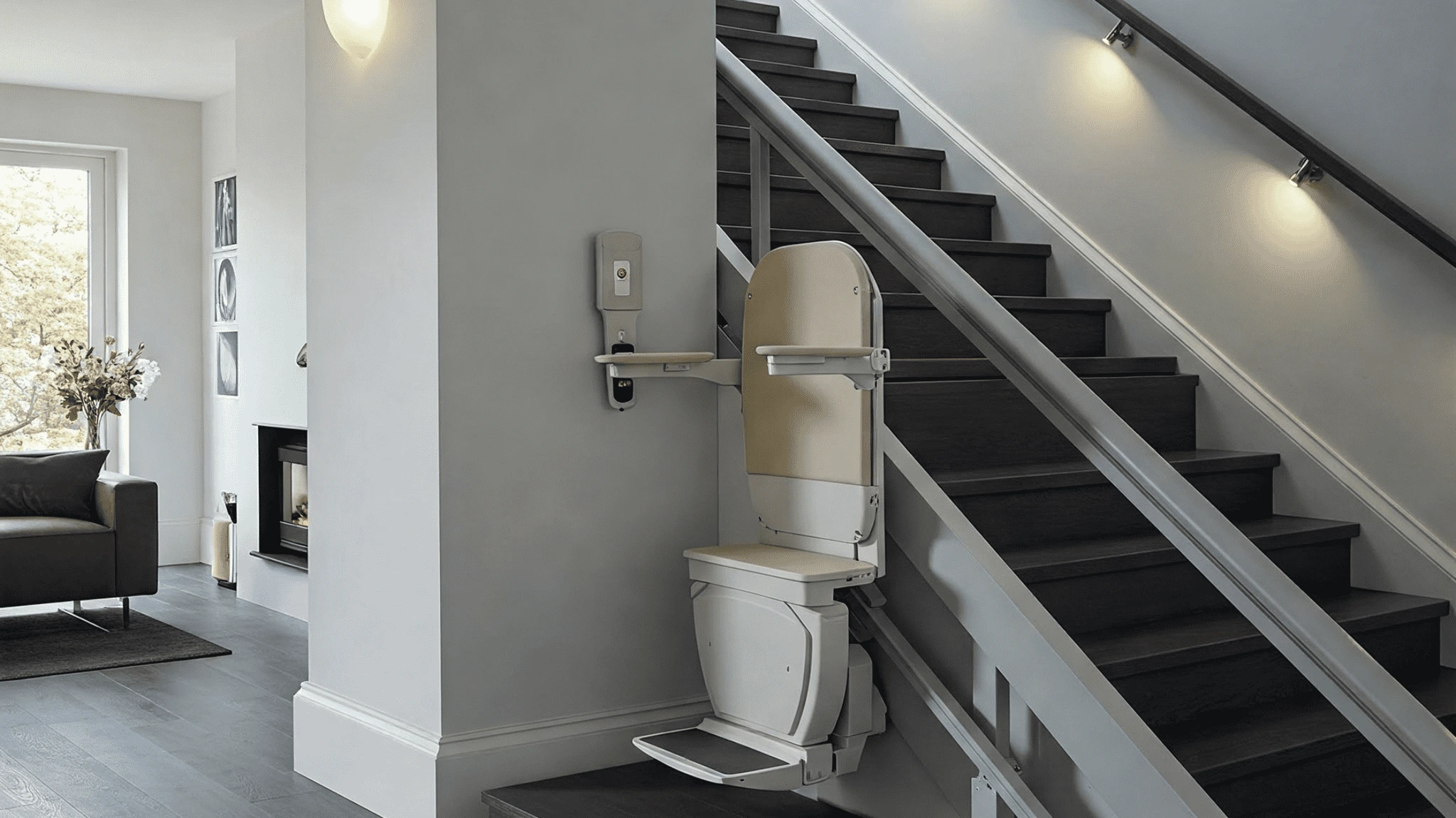
Understand your rental rights as a disabled tenant in England, including reasonable adjustments to rented properties, protection from discrimination, and what landlords must legally allow.
Worried your flatmate is going through your things or entering your room without permission? Discover how to recognise snooping, protect your private space, understand your tenant rights and confidently deal with boundary-crossing behaviour.
Want to know how the new renters’ law will affect you as a tenant? Read our quick guide to understand what’s changing, when it starts, and what you should do now.

The Renters’ Rights Act 2025 transforms renting in England - ending no-fault evictions, improving housing standards, and giving tenants stronger rights, fairer rents, and greater security.

Tired of your neighbour parking in your space? Discover practical steps tenants can take to handle parking disputes calmly, know their rights, and get their space back without conflict.
_11zon.jpg)
Knowing when items should be replaced in a rented home helps ensure safety, comfort, and fairness. From appliances and carpets to smoke alarms and detectors, there are clear timelines landlords should follow. This guide explains what tenants can expect and what landlords are responsible for.

Want to keep a pet in your rented home? This tenants' guide shows you how to approach your landlord the right way - covering tenancy terms, legal rights, negotiation tips, and what to do if your request to have a pet is refused.

Documenting your rental property’s condition before moving in is crucial for protecting your deposit, avoiding disputes, and clearly establishing tenant rights under UK law. Taking clear photos, videos, and notes ensures a fair tenancy from the start.

Are you a tenant struggling with landlord issues in the U.K.? This guide explains your legal rights, how to handle disputes, seek help, and take action to ensure safe, fair rental housing.

Establishing and maintaining a positive landlord-tenant relationship is essential for a successful and harmonious rental experience. Check out our guide for landlords on how to keep a good relationship with their tenants.
.webp)
Paying rent is one of the most important responsibilities you have as a tenant. Knowing how, when, and why to pay properly can help you avoid disputes, stay protected legally, and build a good relationship with your landlord.
Learn your rights as a tenant on broken appliance repairs in rented properties. Understand landlord responsibilities, escalation steps, and insurance options.

If your tenancy is coming to and end and you’re unsure whether to renew your rental agreement or find a new place to rent, our guide will help you decide.

If you've got a rental inspection coming up, check out our tenants' guide on what to expect and what your landlord or letting agent is looking for.

Our guide to spring clean and organising in a rented home can help you maintain your property while also protecting your rental deposit.

If your landlord decides to sell the property you’re renting, it can feel unsettling, and you might not be sure what steps to take next. The good news is that, as a tenant in the UK, you have certain rights that protect you during this transition.
To ensure you receive the entire deposit, it's important to understand the expectations set by your landlord and the laws that govern these agreements. This guide will help you through the steps to take to maximise the likelihood of getting your full rental deposit returned.

If you’re renting a house for the first time then there might be a few things you’re not aware of. Check out our guide for tenants moving into their first rented property.

The Assured Shorthold Tenancy (AST) is a fundamental element of the private rental sector in the UK. It was established by the Housing Act 1988, revolutionising the private rental market by clearly defining the rights and responsibilities of both landlords and tenants.

If you're starting a company from home, do you need permission from your landlord? In a word: 'Yes', but find out some reasons why in the article

If you’re renting in England or Wales, it’s important to understand that landlords aren’t under legal obligation to provide written tenancy agreements. Still, not having a tenancy agreement in writing places both the landlord and the tenant at a disadvantage.

The Tenants Fees ban. What is it? What fees are banned? What does it all mean for letting agents, landlords and tenants? Click through to read our summary.

Your landlord's not repairing your home, not responding to calls or texts. Your rent's due. Should you stop paying rent until he sorts it out?

We're not all perfect. Sometimes things go wrong. If you have a complaint about your landlord, who should you complain to?

Who has to trim the Cynodon dactylon? Does the tenant have to cut the Fagus sylvatica? We discuss all things gardeny in this article.
The oven has just broken in our rented flat. Is it the landlord’s or the tenant's responsibility to repair the oven?

Want your full deposit back? A bit of planning goes a long way. From cleaning to small repairs, our quick guide covers simple steps to help you leave your rental in great shape and avoid deductions.